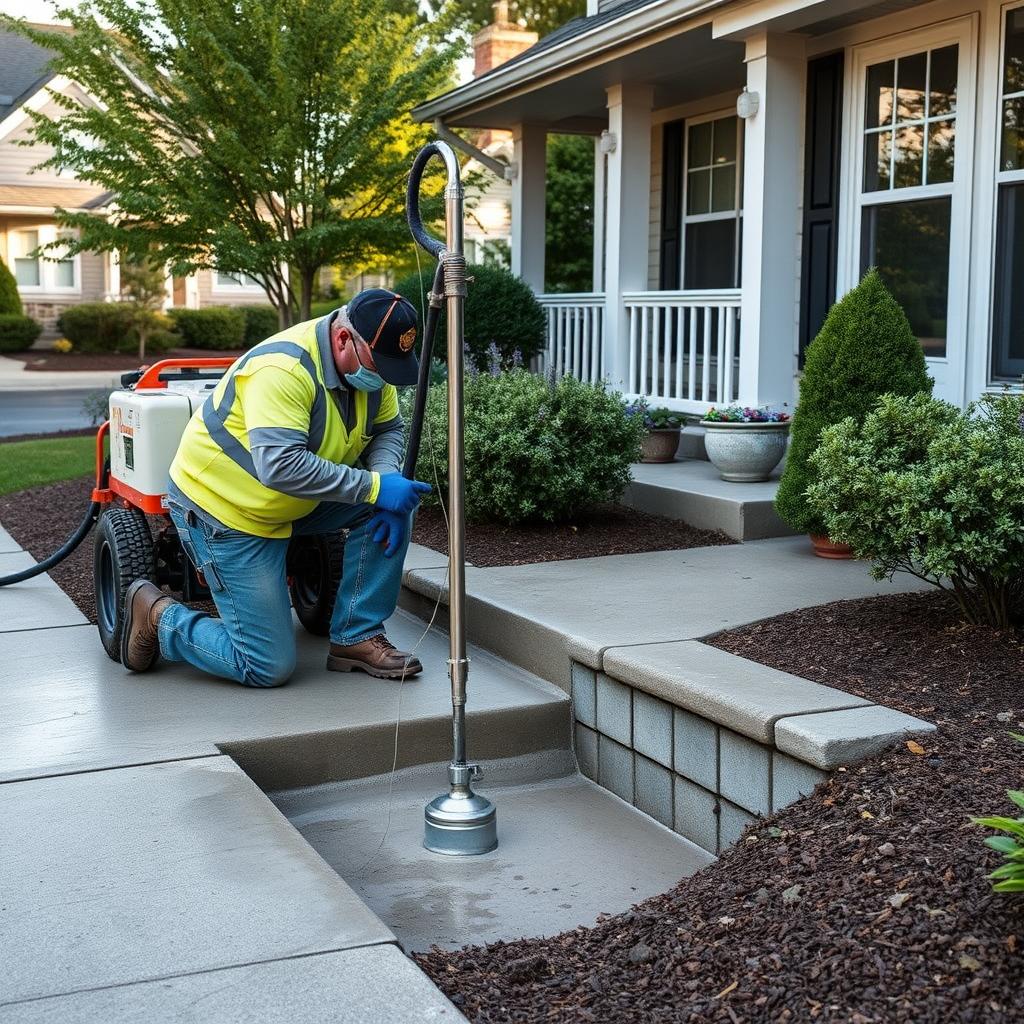
🏗️ Mudjacking & Polyjacking Specialists Covered

Insurance for
Slab Jacking &
Concrete Leveling Contractors

You lift sunken slabs, level warehouse floors, and stabilize driveways — work that carries real liability risk. A utility line hit during drilling, a commercial slab that re-settles, or an adjacent crack after polyjacking can produce six-figure claims. We get concrete contractors the right coverage.

All 50 States Specialized Concrete Carriers A-Rated Insurers Quotes in 24 Hours
50
States Served Nationwide
A+
Rated Carrier Partners
24h
Average Quote Turnaround
6+
Coverage Types Available

Built for Every Type of
Concrete Leveling Contractor

Whether you're a one-truck mudjacking crew or a multi-state polyjacking franchise, concrete leveling carries unique liability exposures. Here's who we cover.

🚚

Mudjacking Companies

Traditional cement slurry contractors lifting driveways, sidewalks, and patios. Your drilling and pumping operations need GL and equipment coverage that fits your method.

🧪

Polyjacking Contractors

Polyurethane foam injection specialists working with two-component chemical systems. Higher-pressure operations require carriers who actually understand this process.

🏢

Concrete Leveling Franchisees

Operating under a franchise brand? You still need your own policy — and it needs to satisfy both franchisor minimums and your local commercial client requirements.

🏠

Driveway Leveling Specialists

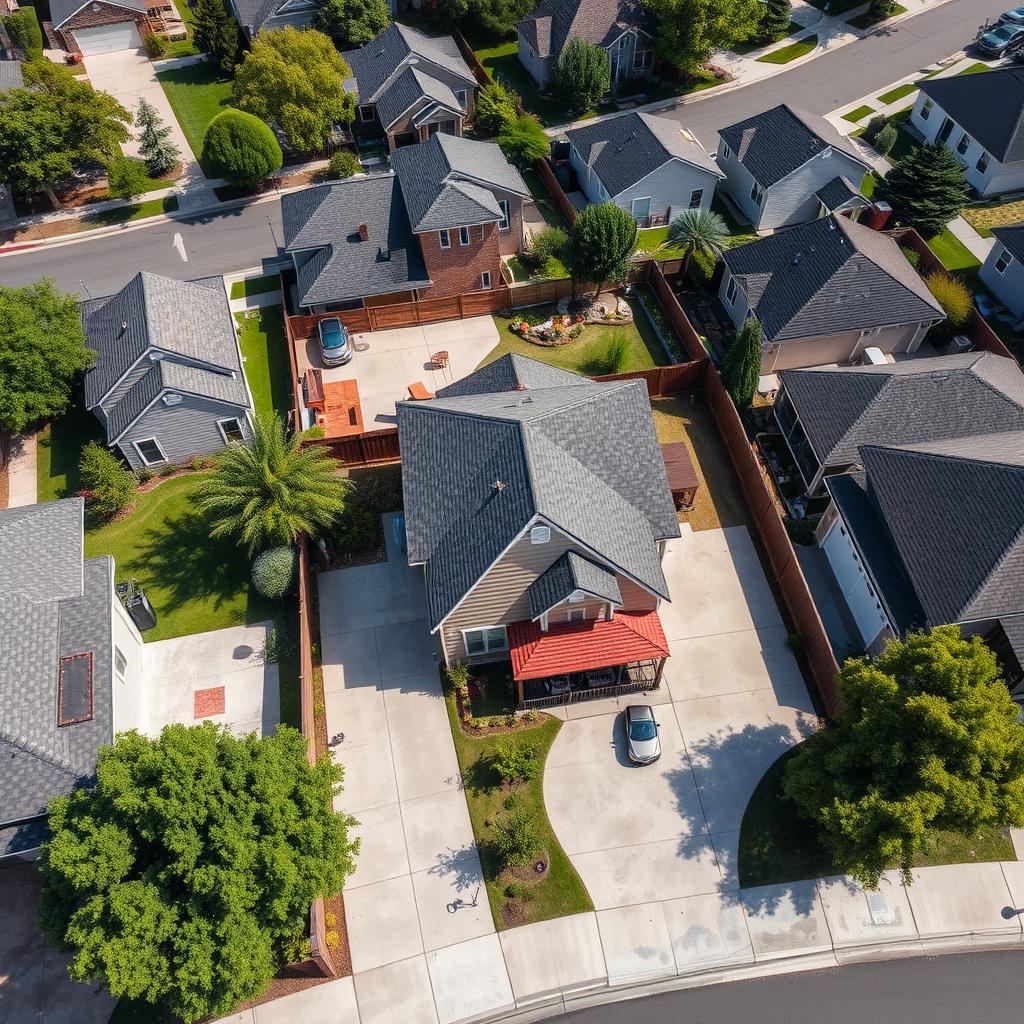
Residential concrete lifting companies focused on driveways and garage approaches. Damage to adjacent landscaping, fencing, and structures needs to be covered.

🏭

Warehouse Floor Leveling Contractors

Industrial and commercial slab lifting is higher risk — forklift lanes, loading dock floors, and high-traffic surfaces where any re-settling causes major consequential damage.

🏊

Pool Deck Leveling Companies

Lifting sunken pool decks and patio slabs involves working adjacent to plumbing, gas, and electrical. One utility strike near a pool can be catastrophic — and costly.

🚶

Sidewalk Repair Contractors

Municipal sidewalk leveling contracts often require higher GL limits, performance bonds, and certificate requirements. We handle all of it.

What Gets Covered

A full insurance stack built around the real risks slab jacking and concrete leveling contractors face — from the job site to the road to the equipment yard.

🛡️

General Liability

Your foundational coverage. Protects against third-party bodily injury and property damage claims arising from your concrete leveling operations on any job site.

  • Damage to adjacent concrete from pressure
  • Underground utility strikes during drilling
  • Third-party bodily injury on the job site
  • Property damage from slurry or foam overflow
  • Completed operations liability
👷

Workers' Compensation

Required in most states for any employee. Concrete leveling is physical work — back injuries, chemical exposure from polyurethane foam, and equipment accidents are real risks.

  • Injury from drilling and pumping equipment
  • Chemical exposure (isocyanates in polyjacking)
  • Slips on wet concrete and job site hazards
  • State compliance and employer liability
🚜

Commercial Auto

Your service trucks, trailers, and equipment rigs are on the road every day. Commercial auto covers your fleet for accidents, damage, and liability — personal auto doesn't apply.

  • Service trucks and crew cab vehicles
  • Equipment trailers and pump rigs
  • Hired and non-owned auto coverage
  • Cargo coverage for materials in transit
🔧

Tools & Equipment

Your injection rigs, foam mixing units, compressors, and drilling equipment are expensive assets. Tools & Equipment (Inland Marine) covers theft, damage, and loss on and off the job site.

  • Polyurethane foam injection rigs
  • Dual-component mixing and heating units
  • Compressors and generator equipment
  • Drilling machines and port tooling
  • Equipment in transit between jobs
⚖️

Professional Liability / E&O

If you offer any warranty on your leveling work — written or verbal — and a slab re-settles or cracks after the job, you have professional liability exposure. E&O covers the claim.

  • Slab re-settling after leveling
  • Warranty claim disputes
  • Over-pressurization damage claims
  • Adjacent slab cracking allegations
  • Defense costs even if you're not at fault
☂️

Umbrella / Excess Liability

Commercial and industrial leveling contracts often require $2M–$5M in coverage. An umbrella policy extends your existing GL and auto limits at a fraction of the base policy cost.

  • Satisfies high-limit contract requirements
  • Stacks over GL, auto, and workers' comp
  • Industrial and municipal job eligibility
  • Cost-effective limit extension

What a Claim Actually
Looks Like

💡 Example Claim

The Warehouse Floor Re-Settlement Dispute

A polyjacking contractor is hired to level a 12,000 sq. ft. commercial warehouse floor. The job goes well — the crew drills injection ports, fills with polyurethane foam, and leaves the slab level and solid. The client signs off.

Two weeks later, an adjacent section of floor drops by nearly an inch, cracking along a forklift traffic lane and creating an unsafe surface. The building owner halts operations, brings in a structural engineer, and files a claim alleging the contractor over-pressurized the foam injections and destabilized the surrounding subgrade — causing $85,000 in structural repair costs and lost business income.

Without Professional Liability + GL: The contractor faces the full claim out of pocket. Legal defense alone can exceed $40,000 before any settlement is reached.
With Professional Liability + GL: The insurer assigns a defense attorney, conducts an independent investigation, and negotiates the settlement. The contractor pays the deductible. The business survives.

Get covered before this happens to you →

We Know Concrete Lifting
Risks Better Than Anyone

Most insurance agents don't know the difference between mudjacking and polyjacking — let alone which carriers will actually write it and at what limits. We specialize in specialty trade contractors and place your coverage with markets that understand lifting operations.

01

Concrete-Specific Carrier Markets

We work with carriers who have underwriting appetite for concrete leveling — not generic contractors programs that exclude or restrict slab lifting operations.

02

Mudjacking and Polyjacking Both Covered

We'll confirm your policy language covers the specific method you use — cement slurry, polyurethane foam, or both — before you're bound, not after a claim is filed.

03

All 50 States, Fast Quotes

We're licensed nationally. Most concrete leveling quotes come back within one business day. Need a COI for a commercial contract tomorrow? We handle it same-day.

04

A-Rated Carriers Only

Your insurance is only as good as the company behind it. We place coverage exclusively with A-rated admitted and surplus lines carriers that pay claims.

05

Utility Strike Coverage Confirmed

Underground utility damage exclusions are common. We read your policy language and confirm that utility strikes during drilling are explicitly covered — or find a policy that does.

06

Talk to a Licensed Agent

You speak directly with a licensed professional who understands your trade — not a call center reading from a script. Real answers about real coverage for concrete contractors.

Slab Jacking Insurance
Questions — Answered

The questions mudjacking and polyjacking contractors ask most — answered straight.

Both methods are insurable under contractor General Liability and Professional Liability policies, but carriers evaluate them differently. Mudjacking (cement slurry injection) is the older, well-understood method with a longer underwriting track record. Polyjacking (polyurethane foam injection) involves higher injection pressures and chemical materials, which some carriers classify at a higher risk tier. We work with carriers who write both methods — and will confirm your policy actually covers the specific technique your crew uses, not just generic "concrete work."
Professional Liability (E&O) insurance covers claims that your leveling work failed to perform as warranted — typically when a slab re-settles after the job, causing damage or requiring re-work. If you offer any kind of warranty on your leveling work (even verbal), you have E&O exposure. E&O covers the investigation, legal defense, and any settlement if a property owner sues over a slab that sank again. Many commercial clients and property managers now require E&O before awarding contracts.
Utility strikes during concrete drilling are one of the most common serious claims for leveling contractors. Drilling injection ports can hit water, gas, electrical, or irrigation lines buried underneath. Your General Liability policy covers third-party property damage from utility strikes — including the repair cost and consequential damage. However, some GL policies exclude underground utility damage or require you to maintain 811 call-before-you-dig documentation. We'll confirm your policy language covers this risk explicitly before you're bound.
Yes. Carriers rate commercial and industrial concrete leveling (warehouse floors, loading docks, industrial slabs) at higher premiums than residential driveway or sidewalk work. The reason: commercial jobs involve larger surface areas, higher injection pressures, more workers on site, and larger consequential damage claims if something goes wrong — like a cracked forklift lane or an uneven loading dock that causes a pallet accident. We'll quote your policy based on your actual revenue split between residential and commercial so you're not overcharged.
GL and Workers' Comp don't cover your physical equipment — you need a separate Tools & Equipment (Inland Marine) policy for that. Polyurethane foam injection rigs, dual-component mixing units, compressors, generator units, and port drilling equipment can each cost $20,000–$80,000 or more. Tools & Equipment insurance covers theft, accidental damage, and loss while the equipment is in transit or on the job site. We'll make sure your coverage limits match the actual replacement cost of your rig.
Concrete leveling contractors are typically written under class codes related to concrete work or specialty trade contractors, depending on the carrier. Common applicable codes cover concrete construction (non-finishing), structural repair contractors, or — for polyurethane injection — specialty chemical application. The exact code matters because it determines your base rate and what activities are covered. Being written under the wrong code can result in a coverage gap or a denied claim. We'll confirm you're coded correctly for your actual scope of work.
If you hire subcontractors to perform leveling work, you have liability exposure for their actions on your jobs. Most GL policies require you to obtain certificates of insurance from subs and may exclude coverage for uninsured subs. Some carriers will cover your subs under your policy for an additional premium. Either way, you should document every sub's insurance before they drill a hole. We'll help you set up a subcontractor compliance process and make sure your policy is clear on how subs are handled.
Yes. Once your policy is bound, we issue certificates of insurance same-day. HOAs, commercial property managers, general contractors, and municipal clients frequently require slab jacking contractors to show proof of GL — and sometimes E&O — before starting work. Many also require minimum coverage limits of $1M or $2M per occurrence and may ask to be listed as Additional Insured on your policy. We handle the certificate, the AI endorsement, and any special wording the contract requires.

One Claim Can Ground Your
Concrete Leveling Business

Don't wait until a re-settlement dispute or a utility strike makes the decision for you. Get a concrete leveling insurance quote in 24 hours.

844-967-5247

Mon–Fri 8am–6pm CST  ·  Or submit a quote request anytime below